What to Read and How to Read It
A voice clone learns your way of speaking, so the reading needs variety. What to read, what to avoid and how to perform it with natural rhythm and emotion.
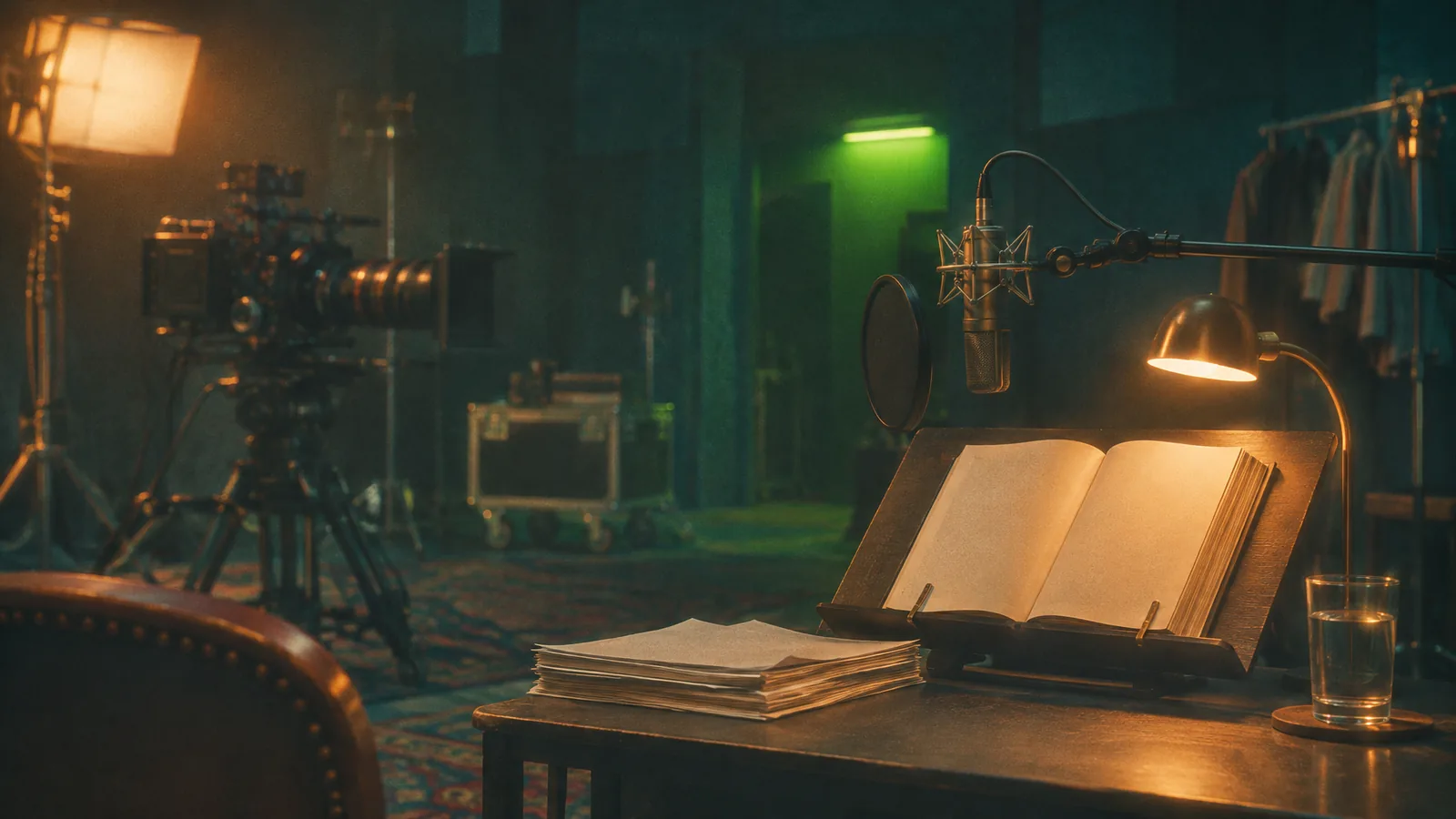
The AI does not only learn your tone. It learns your way of speaking. So the reading has to give it variety, and the performance has to be yours.
What to read
A professional clone needs four registers:
- Texts in a neutral, professional tone.
- Relatable, conversational phrases.
- Fragments with energy and enthusiasm.
- Parts with a serious, measured tone.
I prepare a document with corporate texts, explanatory paragraphs such as tutorials or scripts, conversational phrases and some emotional fragments. You can also read several chapters of a book.
I avoid reading only disconnected sentences, and repeating the same paragraph too many times.
How to read it
- Clear articulation. Mark the consonants and vowels without dragging the words.
- Well-defined accents. Respect your natural accent without forcing it.
- Natural rhythm. Neither too slow nor rushed.
- Logical pauses. Breathe where you would in a real conversation.
- Soft but present emotions. Interest when explaining, calm when reflecting and moderate energy in calls to action.
Avoid autopilot
Read with emotion and presence. The model is trying to learn how you speak in different situations, and a monotone read gives it only one.
What "good enough" means
A perfect performance is not necessary. What I look for is a performance that is consistent, clear and rich enough for the AI to understand how you speak. Do not over-edit the result.
Checklist
- [ ] The four registers are in the text: neutral, relatable, energetic and serious.
- [ ] Real accent, clear diction, natural rhythm.
- [ ] Pauses and breaths where a real conversation would have them.
- [ ] No autopilot.