Track Injuries, Stains, and Props Before Generating the Next Shot
Keep a shot-by-shot state record for wounds, dirt, clothing, and props, then reject unexplained changes before moving on.
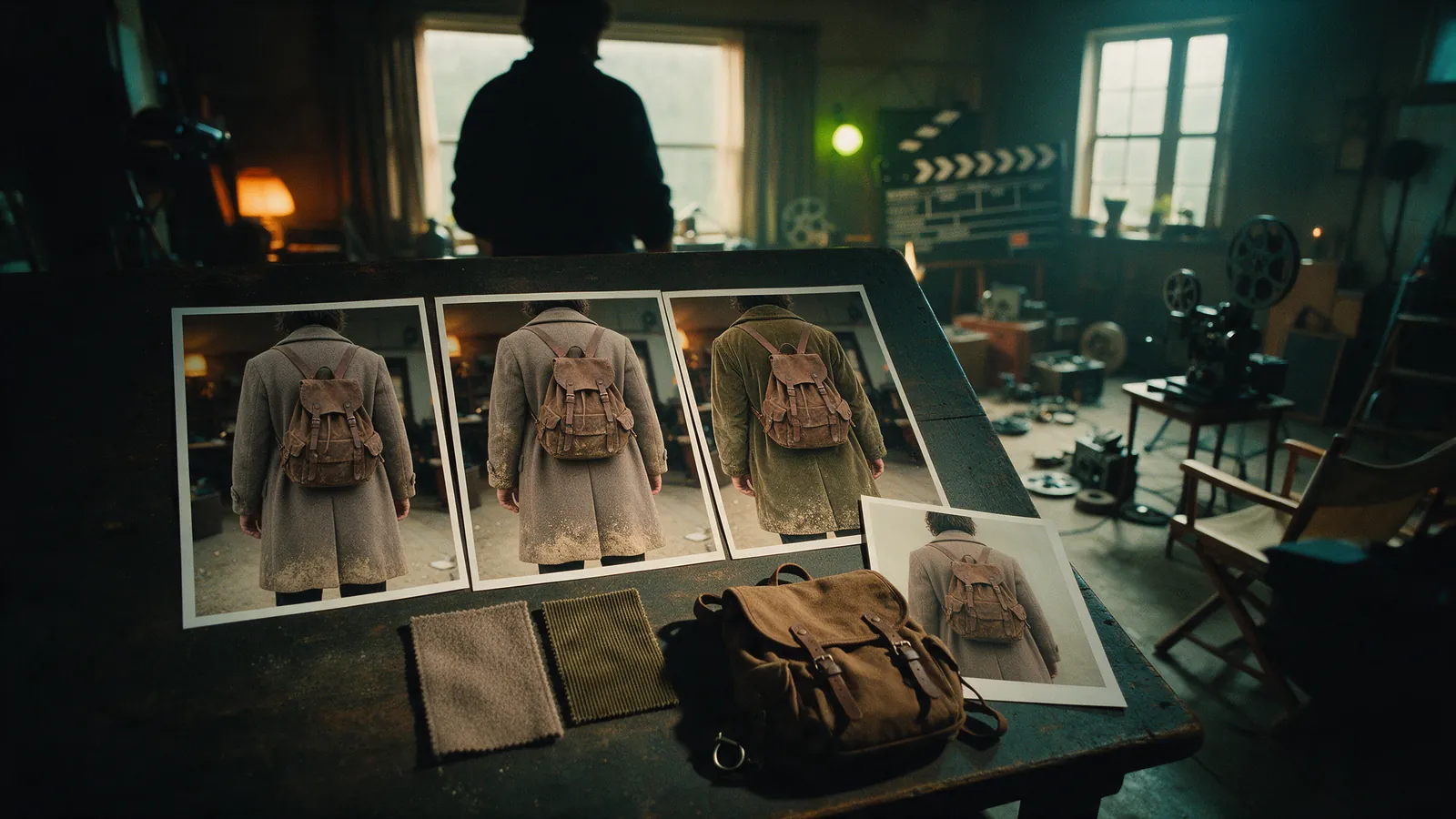
The shirt was clean in one shot and stained in the next for no story reason.
That is not a texture problem. It is a state-tracking failure.
Every character and object carries a state from one shot into the next. Injuries, dirt, clothing changes, and props that appear or disappear all belong to that state.
If I do not record it, I am asking the next generation to preserve information that I have not clearly supervised.
The old film job for this is script supervision. The same work belongs in AI generation.
Continuity is a record
I keep a shot-by-shot account of each character and object.
I do not need to explain the entire story in the log. I need to state the current visible condition of the elements that can change.
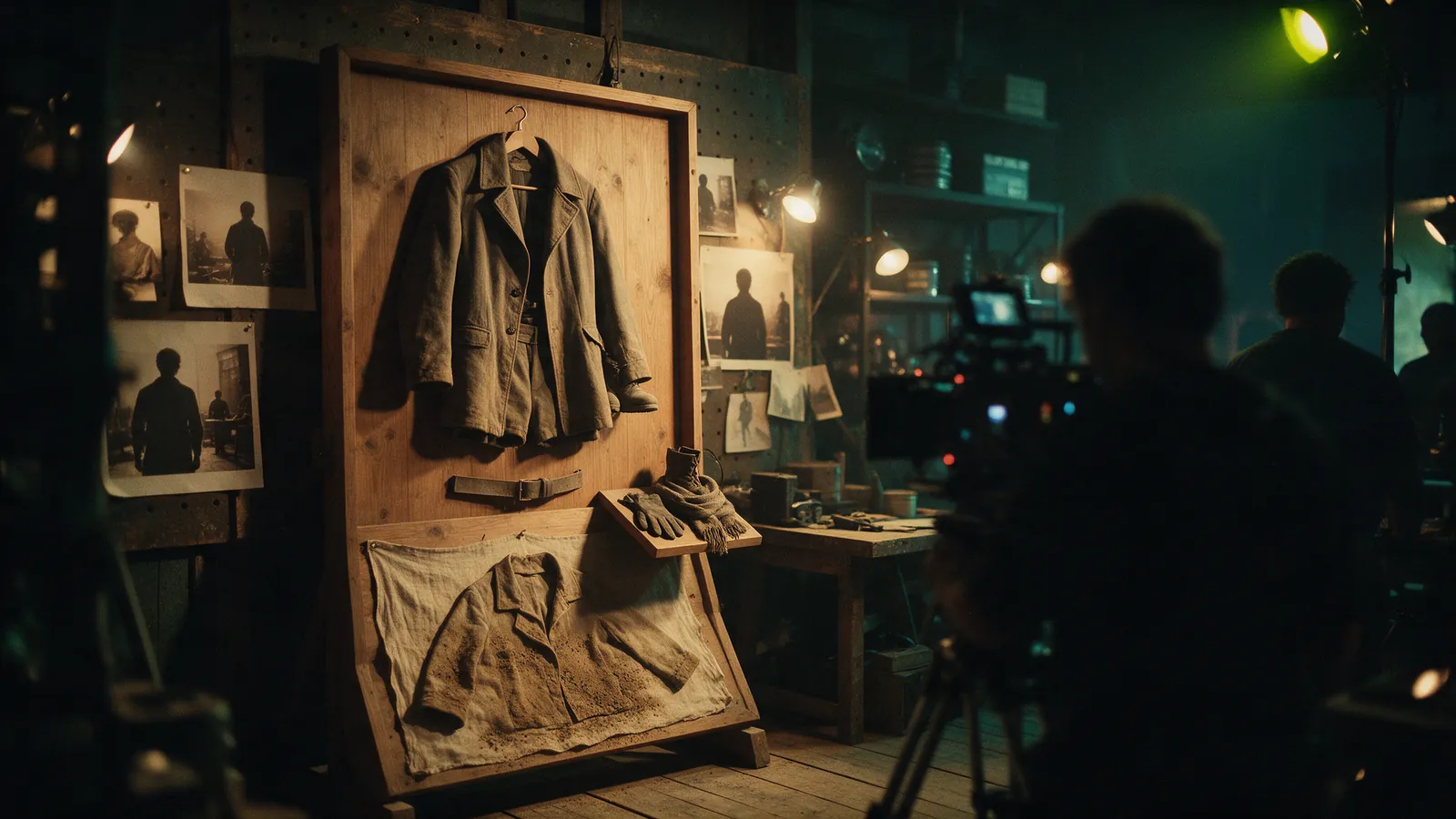
For a character, that includes injuries, dirt, and clothing.
For an object, it includes whether the prop is present or absent.
I carry that state into the next shot.
Without it, review becomes dependent on memory. A shirt may become clean, then stained, then clean again. A wound may change. A prop may appear or disappear. The generation has produced an image, but the sequence has lost track of what should still be present.
Done right, I can inspect the current shot and state the condition of every tracked character and object before requesting the next one.
Start at the current shot
I do not begin by guessing what the next shot should contain.
I begin with the approved current shot.
What injuries are visible?
What dirt is visible?
What clothing is the character wearing, and what is its current condition?
Which props are present?
Which tracked props are absent?
These observations become the entry for that shot.
I do not need an elaborate application or a named internal system. A direct log is enough. The important part is that the state is written down and tied to the shot.
A minimal table can use the categories I track:
| Shot | Character or object | Injuries | Dirt | Clothing | Props |
|---|---|---|---|---|---|
The values come from the approved image. I do not invent what should be visible. I write down what is visible and must be supervised.
Track characters and objects separately
Characters and props can fail continuity in different ways.
A character carries injuries, dirt, and clothing state. An object can appear or disappear.
Both need attention.
If I record only the character’s face, the shirt can change without being caught. If I record only clothing, a wound can shift. If I focus only on the person, an important prop can vanish between shots.
I keep count of the state of every character and object in every shot for a reason.
That does not mean every possible visual detail needs a new category. It means the listed continuity conditions cannot be left to assumption.
Done right, each tracked character has a visible-state entry, and each tracked object has a presence state for that shot.
Update the state shot by shot
The log belongs to the sequence, not to the character in general.
A character reference can define the approved person. It does not state whether the shirt is currently clean or stained in this specific shot. It does not state the current injury or dirt condition. It does not tell me whether a prop has already appeared.
Those are shot-level facts.
After each accepted shot, I update the log to match it. Before the next generation, I read the latest state.
That order matters.
The current approved shot defines what the next shot inherits unless the sequence includes a reason for change. The angle for this method is to reject unexplained changes, not to prevent all change. Clothing can change. Dirt can change. Props can appear or disappear. I track those changes so they are accounted for rather than accidental.
Done right, every accepted shot leaves behind an updated state for the next one.
Use the latest state before generation
The supervision work happens before requesting the next shot.
I review the latest entry and carry its visible conditions into the next generation instructions.
The wound state comes forward.
The dirt state comes forward.
The clothing state comes forward.
The prop state comes forward.
This is where the log becomes production control rather than documentation written after the sequence is finished.
If I wait until several shots have already been generated, I can identify inconsistencies, but I have not prevented them. The method is meant to keep the account during generation.
Done right, the state log is open before the next shot is defined.
Review the new shot against the previous state
When the output returns, I compare it with the log before deciding whether I like the image.
This review is narrow and unforgiving.
Are the injuries consistent with the recorded state?
Is the dirt consistent?
Does the clothing preserve the approved condition?
Are the recorded props present or absent as expected?
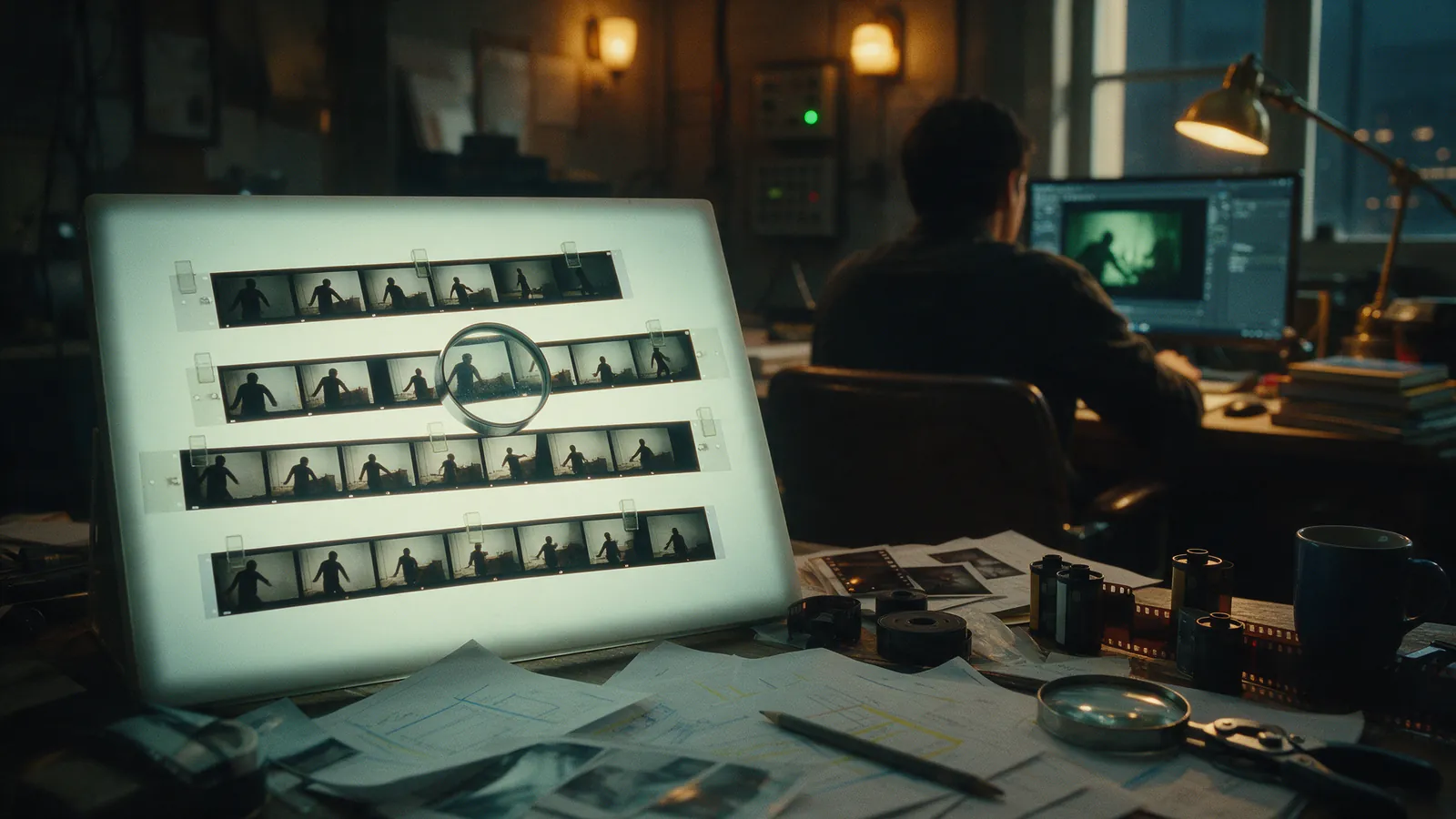
The clean-shirt-to-stained-shirt example is the simplest version of the failure. The two shots may each look acceptable by themselves. Together, they show a change without a reason.
That is why continuity review cannot be replaced by reviewing isolated frames. The issue exists between shots.
Done right, the new output preserves the recorded state or reflects a change that has been accounted for.
Reject unexplained changes
An unexplained change is not a harmless variation.
It breaks the sequence’s state.
If a character’s shirt becomes stained without a reason, I reject the shot. If the recorded injury, dirt, clothing, or prop state changes without explanation, I reject it for the same reason.
The image may succeed in other areas. It may have a useful composition or a strong face. That does not repair the continuity break.
The acceptance gate must happen before the shot becomes the new state entry. Otherwise, an accidental change gets promoted into the sequence and affects every shot that follows.
I approve the shot only after its state passes.
Then I update the log.
Do not repair continuity through memory
The classic script supervisor did not rely on a vague impression that the scene looked similar.
The job was to track state.
AI generation needs the same discipline because each new shot can introduce a new version of the character or object. Writing it down gives me something concrete to compare.
I do not have to remember whether the shirt was already stained. I can read it.
I do not have to guess whether the prop was present. I can read it.
I do not have to reconstruct when the injury appeared. The shot-by-shot entries preserve that account.
My responsibility is to maintain the state of every character and object in every shot.
What done looks like
A continuity log is working when the next shot can be reviewed against a specific prior state.
Each character’s injuries, dirt, and clothing are recorded.
Each tracked object’s presence is recorded.
I update the log after an accepted shot.
The latest state is checked before another generation.
The new output is rejected if it introduces an unexplained change.
This is not glamorous work. It is direct production supervision. It stops a sequence from quietly rewriting its own visible history.
Today, create a table for your current sequence with columns for shot, character or object, injuries, dirt, clothing, and props. Fill in the latest approved shot before generating the next one.
A method is what still works on the morning inspiration doesn't show up.